
Common Mistakes Traders Make When Using the RSI Indicator
When you first step into trading, everything seems like a game of numbers and charts. You hear about indicators that can supposedly help you time your trades better. One of the most popular tools is the RSI indicator, which many traders rely on to spot overbought and oversold conditions. But here’s the catch—while it looks simple on the surface, many traders make mistakes with it that end up costing them money.
If you’ve ever been frustrated by buying when you thought the price was going up, only to watch it fall, or selling too early and missing out on gains, you’re not alone. The problem often isn’t the tool itself—it’s how you’re using it. By learning where traders usually go wrong, you can avoid repeating those same costly errors.
Misunderstanding the RSI Indicator
The RSI indicator is meant to measure momentum and show whether an asset might be overbought or oversold. A common mistake traders make is to treat it as a crystal ball. For example, when the RSI hits 70, some assume the price must immediately fall. On the other hand, when it hits 30, they think it’s guaranteed to rise. But markets don’t work in such a simple way. Prices can stay overbought or oversold for a long time, especially during strong trends.
If you rely only on the RSI without considering the broader market direction, you may enter trades too early and end up stuck in losing positions. That’s why it’s better to use the indicator as a supporting tool rather than a final decision-maker.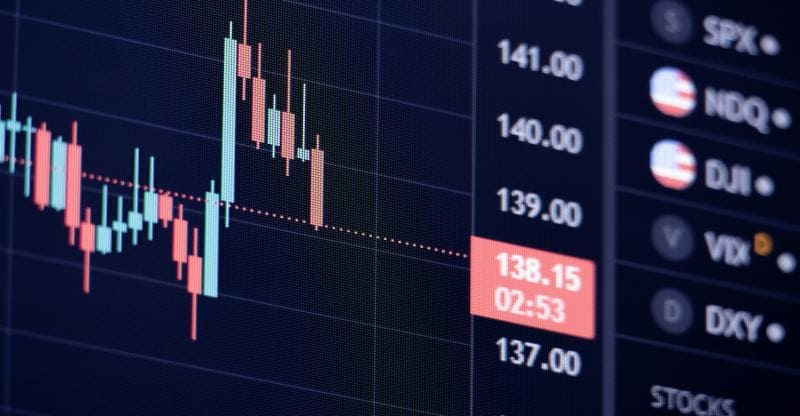
Ignoring Market Trends
Another mistake is using RSI signals without looking at the trend. Imagine trying to sell during an uptrend just because RSI is high. The market might continue to climb, leaving you watching from the sidelines while others ride the profits. The same happens in downtrends—buying too early because RSI is low can put you on the wrong side of momentum.
To avoid this, always check the bigger picture first. Ask yourself whether the market is moving strongly in one direction. Then, see how RSI fits into that context. Combining both views makes your decisions more balanced and less likely to fail.
Overtrading Based on RSI Signals
Some traders treat every RSI movement as a reason to trade. This often leads to overtrading, where you open too many positions based on weak signals. Overtrading not only drains your account with fees but also increases the chances of making poor decisions driven by emotion rather than logic.
A smarter approach is to wait for stronger setups. Use RSI in combination with other tools like support and resistance levels, moving averages, or price patterns. This helps filter out noise and lets you act only when the odds are in your favor.
Not Adjusting RSI Settings
By default, RSI is often set to 14 periods. While this works for many cases, it might not suit your trading style or the asset you’re analyzing. Sticking blindly to the standard settings can create misleading signals. For example, short-term traders might find the default too slow, while long-term traders might need it slower to avoid false signals.
Adjusting the settings to match your strategy makes the indicator more useful. Experiment with different values and see how they perform on your chosen time frame. Testing before trading real money can save you from unnecessary mistakes.

Lilith Morgan
Hello, I'm Vanessa Harris, a dedicated writer known for weaving narratives that deeply connect with the human spirit. Beyond the written word, I take solace in the comforting aroma of freshly brewed coffee, wander in pursuit of the enchanting beauty of sunsets, and hold close the profound simplicity of life's everyday moments. Won't you join me on this rich and rewarding literary adventure?